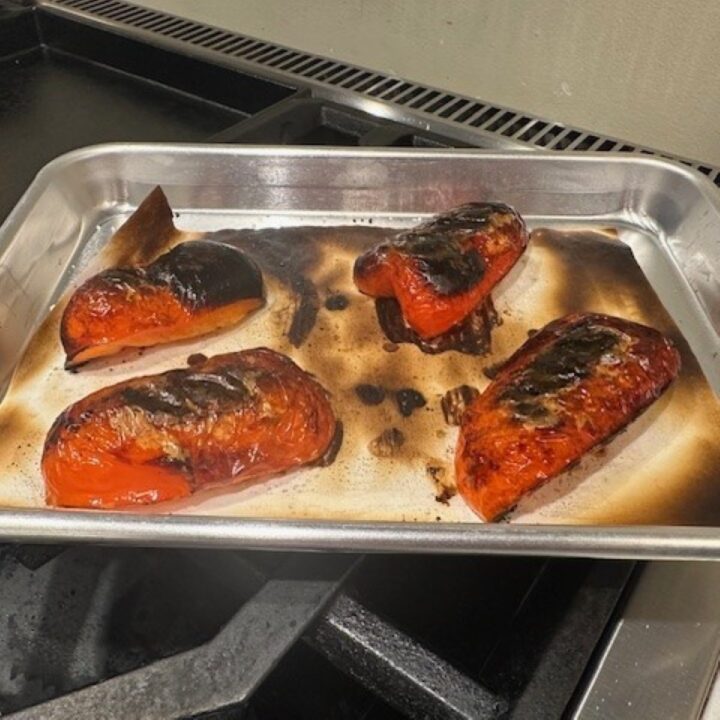

After several, not-so-successful years attempting to grow a proper vegetable garden, we've finally begun harvesting a ton of tomatoes and bell peppers! We've had a variety of beefsteak, Roma, and cherry tomatoes since early this summer and the vines are still producing. Enough so that we've also been able to make a bit of our own sauce. The flavor has been reminiscent of trips to Italy, both Rome and Sicily, in our younger days - fresh and bright and savory. Creating your own sauce from fresh vegetables is simple and freezes well, a great way to hold onto those summer flavors long after the season passes.
INGREDIENTS:
- 7 lbs Fresh, Garden Tomatoes (any variety)
- 1 Lg. Onion (White or Yellow)
- 3 Lg. Carrots, peeled and chopped
- 2 Ea. Green Bell Peppers, seeded and diced
- 1 Ea. Red Bell Pepper, seeded and diced
- ⅓ C. Tomato Paste
- 2-3 Tbsp. Olive Oil
- 3 Bay Leaves
- 1 Tbsp. Basil, Fresh or Dried
- 2 Tbsp. Kosher Salt (or to taste)
- 1 Tbsp. Black Pepper (or to taste)
- 2 tsp. Garlic Powder (or to taste)
- 1 Tbsp. Granulated Sugar, optional
INSTRUCTIONS:
Step 1: Prep all of your vegetables (scrubbed clean), setting aside your tomatoes and peeling/chopping the others.

Step 2: In a large, heavy bottomed pot, heat your olive oil over medium heat, and add in the diced onions. Season with salt and pepper, then stir regularly. Cook until translucent, then increase the heat to medium-high.

Step 3: When the onions start taking on a little browning around the edges, add in the carrots, seasoning with a little additional salt and pepper. Cook down until just softened.

Step 4: Next, add in the bell peppers, stirring everything together with a little additional salt and pepper.

Step 5: Once the vegetables have softened, push to the sides of the pot, creating a little well in the center. Add the tomato paste and give a few minutes to begin cooking down. Allow to brown slightly, then scrape the brown bits on the bottom of the pot using a wooden spoon (as my friend and mentor Carla Hall used to say, "there's flavor in the brown.") Mix everything together to combine. Reduce the temperature to low.


Step 6: Cut up your tomatoes, discarding the core. *See notes below if you are not using a food mill.

Step 7: Add the tomatoes to the pot, mixing everything together. Increase the heat to medium and cook down the tomatoes. Bring to a light simmer, stirring fairly often, about 30-45 minutes.


Step 8: With your food mill fitted over a second large pot, slowly begin to ladle your sauce into the top of the mill, and press through. The tomato skins and seeds will remain above the sieve while the rest of the smooth vegetable puree gets processed. Repeat until all of the sauce has gone through the food mill.

Step 9: Place the sauce pot back on the stove and taste for flavor, adjusting for additional salt and pepper, sugar for sweetness or to cut the acidity, or even a little garlic powder to kick up the flavor, if needed. Add in the bay leaves and allow the sauce to simmer and thicken for another 30 minutes on medium-low.

Step 10: Remove the bay leaves, remove the sauce from heat, and allow it to cool before storing. If freezing your sauce, fill your storage bags just enough that you can lay the bag flat, gently pressing out additional air, then sealing. Place the bags flat on a sheet pan and pop into a freezer until solid. Makes it much easier to store!

CHEF'S NOTES: If you are not using a food mill, you'll need to blanch your tomatoes to remove the skin before cooking them down in the sauce. This means you'll also need to puree the mixture and strain out the seeds.
To blanch the tomatoes, you'll need a large pot of boiling water, and a large bowl (or a separate pot) filled with ice water. Keep the tomatoes whole, score an 'X' on the bottom of each by using a paring knife, and place several at a time into the boiling water for a just about 2 minutes. Use a pair of tongs, a slotted spoon or a kitchen spider utensil to remove the blanched tomatoes and drop them directly into the ice bath to shock them and stop the cooking. The skins should easily peel away from the fruit.
Either use a hand-held stick blender or you can add the sauce (at Step 8) into a blender and process but make sure the sauce has cooled considerably before doing so. Adding hot liquids to a blender can create a variety of issues.
Summer Vegetable Garden Marinara
Equipment
- 2 Large, Heavy-Bottomed Pot
- Cutting Board
- Chef Knife
- Wooden Spoon
- Food Mill
- Ladle
- Storage for Sauce (Mason Jars, Glass Containers, or Freezer Ziploc Bags)
Ingredients
- 7 lbs Fresh, Garden Tomatoes (any variety)
- 1 Lg. Onion (White or Yellow)
- 3 Lg. Carrots, peeled and chopped
- 2 Ea. Green Bell Peppers, seeded and diced
- 1 Ea. Red Bell Pepper, seeded and diced
- ⅓ C. Tomato Paste
- 2-3 Tbsp. Olive Oil
- 3 Bay Leaves
- 1 Tbsp. Basil, Fresh or Dried
- 2 Tbsp. Kosher Salt (or to taste)
- 1 Tbsp. Black Pepper (or to taste)
- 2 tsp. Garlic Powder (or to taste)
- 1 Tbsp. Granulated Sugar, optional
Instructions
- Prep all of your vegetables (scrubbed clean), setting aside your tomatoes and peeling/chopping the others.
- In a large, heavy bottomed pot, heat your olive oil over medium heat, and add in the diced onions. Season with salt and pepper, then stir regularly. Cook until translucent, then increase the heat to medium-high.
- When the onions start taking on a little browning around the edges, add in the carrots, seasoning with a little additional salt and pepper. Cook down until just softened.
- Next, add in the bell peppers, stirring everything together with a little additional salt and pepper.
- Once the vegetables have softened, push to the sides of the pot, creating a little well in the center. Add the tomato paste and give a few minutes to begin cooking down. Allow to brown slightly, then scrape using a wooden spoon. Mix everything together to combine. Reduce the temperature to low.
- Cut up your tomatoes, discarding the core. *See notes below if you are not using a food mill.
- Add the tomatoes to the pot, mixing everything together. Increase the heat to medium and cook down the tomatoes. Bring to a light simmer, stirring fairly often, about thirty minutes.
- With your food mill fitted over a second large pot, slowly begin to ladle your sauce into the top of the mill, and press through. The tomato skins and seeds will remain above the sieve while the rest of the smooth vegetable puree gets processed. Repeat until all of the sauce has gone through the food mill.
- Place the sauce pot back on the stove and taste for flavor, adjusting for additional salt and pepper, sugar for sweetness or to cut the acidity, or even a little garlic powder for flavor, if needed. Add in the bay leaves and allow the sauce to simmer and thicken for another 30 minutes on medium-low.
- Remove the bay leaves, remove the sauce from heat, and allow it to cool before storing. If freezing your sauce, fill your storage bags just enough that you can lay the bag flat, gently pressing out additional air, then sealing. Place the bags flat on a sheet pan and pop into a freezer until solid. Makes it much easier to store!